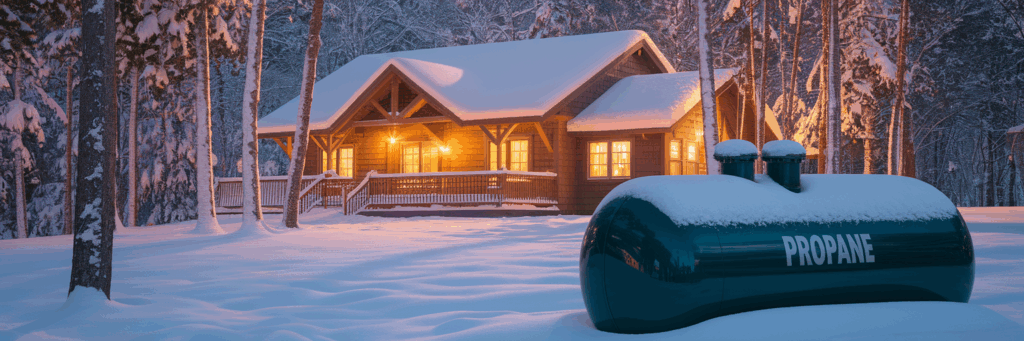
Arriving at your vacation home should be a moment of relaxation, not a discovery of frozen pipes and a cold welcome. For properties that sit empty for months, managing the propane supply is the key to preventing such costly surprises. The core issue with vacation home propane management is its unpredictability. Unlike a primary residence with steady usage, a seasonal home’s consumption can swing dramatically.
The Unique Challenge of Propane in Seasonal Homes
A weekend with a full house of guests can consume more fuel than an entire month of vacancy. This inconsistent pattern makes standard prediction models unreliable. The consequences of an empty tank go far beyond simple inconvenience. In cold climates, a lack of fuel means no heat, putting your property at immediate risk of burst pipes and severe water damage. Appliances with pilot lights can also be damaged, and the cost of an emergency after-hours refill is always significantly higher.
This unpredictability stems from several factors. Fluctuating occupancy, unexpected cold snaps, and long dormant periods followed by intensive use all contribute to the difficulty of forecasting fuel needs. We have all felt that nagging worry in the back of our minds: is there enough propane to keep the heat on until our next visit? This uncertainty shows why the typical “set and forget” approach simply does not work for a seasonal property. It demands a more attentive strategy.
Mastering the Fundamentals of Manual Monitoring
Before exploring advanced solutions, it is important to understand the basics of manual checks. These simple habits are the foundation of responsible propane ownership and can be performed each time you visit the property. The first step is learning to read your tank’s gauge correctly.
The dial shows the fuel level as a percentage, not in gallons. It is important to remember that a “full” tank is typically filled to only 80% capacity to allow for the natural expansion of propane gas with temperature changes. You should plan to schedule a refill when the gauge drops below 30% to ensure you have a sufficient buffer. Upon arrival and before departure, a quick visual inspection of the tank can prevent future issues. Look for signs of rust, physical damage, or debris around the tank and ensure all fittings appear secure.
This routine should also include a quick appliance check. Confirm that pilot lights are still lit and inspect visible connections for any signs of corrosion. To systematize these steps, consider creating a seasonal home maintenance checklist for your propane system. This simple document ensures nothing is overlooked. For a deeper look into best practices, we have compiled comprehensive information on propane safety protocols to help you maintain your system with confidence.
Embracing Technology with Remote Tank Monitoring

While manual checks are essential, they still leave you guessing when you are away. This is where technology provides a definitive answer. Remote propane tank monitoring systems eliminate the uncertainty of managing a seasonal property from a distance, giving you complete visibility over your fuel supply.
How Remote Monitoring Works
These systems use a small sensor device attached directly to your propane tank’s gauge. This sensor wirelessly transmits the fuel level data to a secure network, which you can access through a simple smartphone app. This technology provides the answer to how to monitor propane tank level from anywhere in the world. The primary benefits are immediate. You receive real-time, low-level alerts directly to your phone, track historical usage to understand your home’s unique consumption patterns, and completely eliminate the need for special trips just to check the gauge.
Choosing the Right System for a Vacation Home
Not all remote monitors are created equal. Some systems use Bluetooth, which requires you to be physically near the tank to get a reading. For a truly seasonal property, a Wi-Fi or cellular-based system is the superior choice, as it offers genuine remote access. This allows you to check your fuel levels from your primary residence or even while on vacation elsewhere. Many suppliers now offer these advanced systems as part of their services for residential customers.
| Feature | Manual Monitoring | Remote Monitoring |
|---|---|---|
| Convenience | Requires physical presence at the property | Check levels from anywhere via smartphone app |
| Alerts | None; relies on memory and periodic checks | Automatic low-level alerts sent to your phone |
| Usage Data | No historical data; relies on guesswork | Tracks consumption patterns over time |
| Emergency Prevention | Higher risk of running out unexpectedly | Proactively prevents run-outs and emergencies |
| Peace of Mind | Constant low-level concern when away | Complete confidence that the home is protected |
Automating Your Supply with Scheduled Deliveries
With the insights provided by remote monitoring, you can take the final step toward effortless propane management. An automatic propane delivery service moves you from a reactive to a proactive model, ensuring your tank is always sufficiently filled without you ever having to make a call. Unlike traditional “will-call” services where the homeowner bears the responsibility for scheduling, an automatic service delegates that task to your supplier.
Modern automatic delivery programs are highly sophisticated. They combine the real-time data from your remote monitor with weather forecasts and your property’s historical usage patterns. This data-driven approach allows your supplier to create a highly accurate delivery schedule, often topping off your tank before it ever drops to a critical level. For a vacation homeowner, the value is clear: complete peace of mind. You can rest assured that your home is protected during extreme weather, even when it is unoccupied for months at a time.
When considering this service, ask your supplier a few key questions:
- How do you track my usage for automatic deliveries?
- Is there a separate cost for the monitoring hardware?
- What is your protocol if my usage suddenly increases due to renters?
Finding a reliable local provider is the most important step. You can easily search for qualified propane suppliers in your area who offer these modern services.
Essential Safety Protocols for Unoccupied Homes

Ensuring a consistent fuel supply is only one part of the equation. Proper propane safety for an empty house is a critical responsibility that protects your investment. Since you are not always there to notice potential issues, having reliable safety systems in place is non-negotiable. Functional smoke, carbon monoxide, and propane gas detectors are your first line of defense.
Before leaving your property for an extended period, run through a simple safety walkthrough. This routine should become a fixed part of your closing-up process.
- Replace detector batteries annually. Do not wait for the chirping sound. Make it a calendar appointment.
- Check the expiration dates on all detectors. Most units have a lifespan of seven to ten years and lose effectiveness over time.
- Inspect appliance vents for blockages. Bird or rodent nests can obstruct airflow and create a serious hazard.
- Re-familiarize yourself with the “rotten egg” smell of propane. Knowing what to look for is crucial if you suspect a leak upon your return.
While these steps are important, nothing replaces professional expertise. We strongly recommend a periodic inspection of your entire propane system, from the tank to the appliances, by a qualified technician. This is a wise investment in your property’s protection. To ensure your system is in optimal condition, you can get in touch with a professional for a comprehensive service check.
About Jennifer Whitaker
Propane industry expert and content contributor for MyPropane.com.
View all posts by Jennifer Whitaker →Related Articles

Essential Propane Management for Your Seasonal Home
Dec 31, 2025 • 7 min read
This article provides key steps for safely managing your seasonal home's propane supply throughout the year.

Getting Your Propane System Ready for Winter
Oct 4, 2025 • 7 min read
Learn the essential steps to prepare your home's propane system for cold weather, ensuring safety and reliability.