
The Critical Role of Propane in Modern Rental Housing
For countless multi-unit properties across North America, especially those situated beyond the reach of natural gas lines, propane is not just an alternative fuel. It is the primary energy source that powers heating, hot water, and cooking for tenants. Its reliability makes it a fundamental utility, as essential as electricity or water. However, the way property managers approach propane is changing. What was once a simple operational task has become a comprehensive safety and compliance program.
Regulatory bodies are placing greater emphasis on proactive risk management, shifting the focus from reactive fixes to documented prevention. This means that managing propane is now a significant legal and ethical duty. Property managers are responsible for protecting their tenants, their community, and their investment from preventable hazards. This legal and ethical duty aligns with the highest industry standards for propane safety.
Adhering to established best practices is the only way to effectively mitigate fire risks, avoid serious legal liabilities, and ensure the uninterrupted service your tenants depend on. The conversation around propane regulations for landlords is no longer about simple refills but about creating a safe, compliant, and reliable energy system for your entire property.
Strategic Tank Placement and Sizing Decisions

Effective propane tank management for rentals begins with two fundamental decisions: where to place the tank and how large it needs to be. These initial choices have long-term consequences for safety, maintenance, and property aesthetics. One of the first considerations is whether to install an above-ground or a buried tank. Each comes with distinct trade-offs that affect budget and operations.
| Factor | Above-Ground Tanks | Buried Tanks |
|---|---|---|
| Initial Cost | Lower installation cost | Higher due to excavation and specialized coating |
| Maintenance Access | Easy access for inspections and repairs | Requires excavation for major repairs |
| Aesthetics | Visually prominent | Hidden from view, preserving landscape |
| Corrosion Risk | Easier to monitor and repaint | Requires cathodic protection systems to prevent rust |
| Installation Time | Faster and less disruptive | Slower, requires significant site work |
Note: This table outlines the primary trade-offs for property managers. The choice often depends on budget, local regulations, and aesthetic priorities for the rental property.
Regardless of the type, all installations must comply with setback rules outlined in codes like NFPA 58 and CSA B149.2. These mandate minimum safe distances from buildings, property lines, and ignition sources. Sizing the tank correctly is just as critical. It requires a technical calculation based on:
- The total projected British Thermal Unit (BTU) load from all appliances in every unit.
- The potential for future property expansion or adding more propane-fueled amenities.
- The tank’s vaporization rate, which must support peak demand during the coldest expected temperatures for your region.
Finally, the tank must rest on a solid, level, and non-combustible foundation, such as a concrete slab. This prevents shifting or settling that could strain pipes and cause dangerous leaks. Choosing the right tank is just one part of a comprehensive system that includes various pieces of essential equipment.
Navigating Key Regulatory and Safety Frameworks
Beyond physical installation, property managers must navigate a complex web of legal requirements. Codes like NFPA 58 in the United States and CSA B149.2 in Canada are not just guidelines; they are the foundational standards that dictate safe propane storage and handling. A key takeaway is that these codes require documented proof of compliance. It’s not enough to do the right thing; you must be able to prove you are doing it consistently.
This means property owners must create and maintain a portfolio of critical documents. Are your procedures written down and accessible? At a minimum, your compliance plan should include:
- Written operating plans that detail procedures for routine tasks like fuel delivery and system checks.
- Detailed emergency response procedures outlining clear steps for tenants and staff to follow in case of a leak or other incident.
- A comprehensive maintenance plan and log that records all inspections, repairs, and professional servicing.
For larger facilities, environmental regulations like the U.S. EPA’s Risk Management Program (RMP) may also apply. These often mandate formal leak detection checklists and verified emergency protocols. The core message is clear: compliance is not a one-time setup. It is an ongoing, auditable process that demonstrates a commitment to safety. Understanding these propane regulations for landlords is fundamental to responsible property management.
Understanding the Legal Rules of Leased Tanks
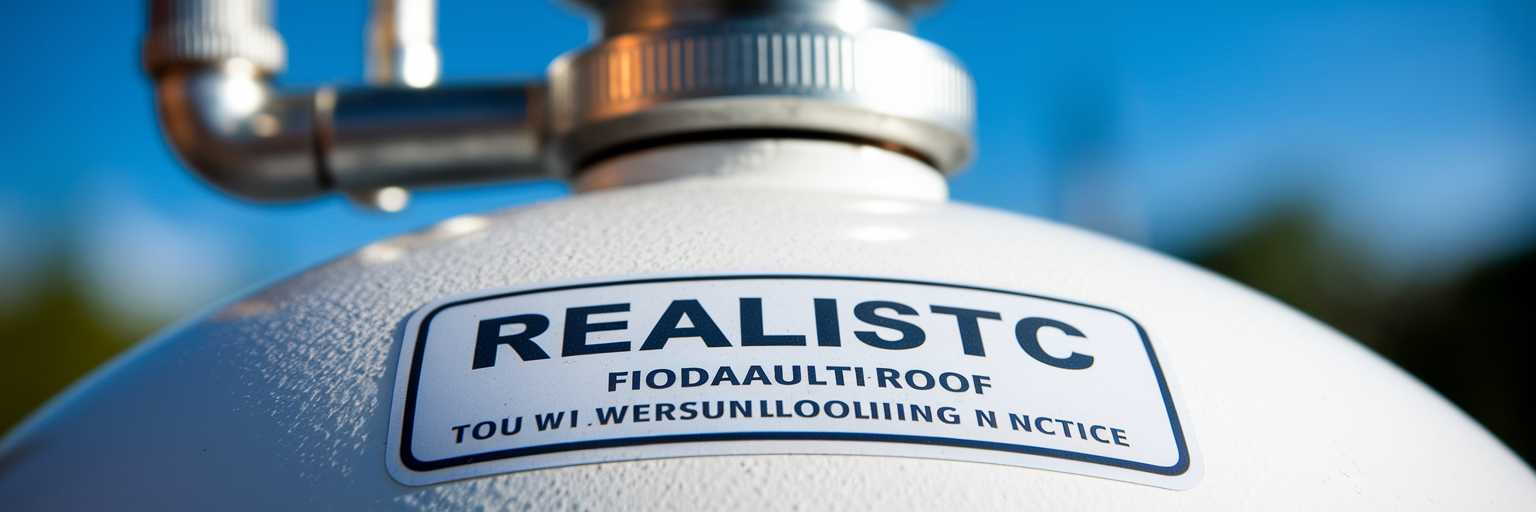
One of the most common and high-risk points of confusion for landlords involves tank ownership. In most jurisdictions, a strict “one tank, one supplier” rule applies. This means it is illegal for any company other than the tank’s owner to fill it. This is not a matter of business competition; it is a critical safety regulation. The company that owns the tank is legally responsible for its maintenance, safety inspections, and overall integrity.
When an unauthorized, third-party supplier fills a tank, they bypass this essential safety check. The responsibility and liability for any resulting incident can then transfer directly to the property owner. The consequences of violating these leased propane tank rules are significant. They include statutory fines and the very practical problem of unexpected fuel run-outs, as your contracted supplier’s delivery schedule is invalidated by the unauthorized fill.
The actionable step here is simple but crucial. Landlords must ensure their propane supplier places a clear, durable label on the tank that identifies the owner and explicitly prohibits unauthorized fills. This small detail protects your property, your tenants, and your legal standing. Partnering with a trusted supplier is fundamental to managing propane for commercial properties and ensuring these rules are respected.
Implementing a Routine Inspection and Maintenance Program
A documented safety plan is only effective if it is put into practice. For property managers, this means implementing a routine inspection and maintenance program that becomes a regular habit. This hands-on approach is essential for ensuring multi-unit property propane safety and catching small issues before they become serious hazards. Your team should conduct frequent visual inspections with a clear checklist.
During these routine checks, you should:
- Verify the tank is still level and stable on its foundation.
- Check for any signs of corrosion, rust, or physical damage on the tank’s surface.
- Ensure the area around the tank is clear of combustible materials like overgrown grass, fallen leaves, or stored debris.
- Confirm that all safety decals and ownership labels are clean and legible.
These visual checks should be supplemented with scheduled professional maintenance. Industry codes mandate periodic services like annual leak checks and regulator performance tests performed by a qualified technician. Just as important is documenting every action. Jurisdictions like British Columbia, for example, require that maintenance records be retained for years as proof of compliance. This hands-on approach to maintenance complements modern solutions for propane warehouse operations tank monitoring, ensuring total system integrity. Managing environmental factors, such as shading tanks in hot climates or winterizing pipes in cold regions, is also a key part of a proactive maintenance strategy.
Centralized Systems and Proactive Tenant Communication
Managing multiple tanks across a property can multiply the complexity of compliance and maintenance. A strategic solution for larger properties is a Community Propane System (CPS). This model uses a single, large, centralized tank to serve all units through a network of underground pipes with individual meters. The community propane system benefits are significant, as a single tank simplifies supplier management, streamlines maintenance schedules, and makes regulatory compliance far more manageable.
Centralized systems also help address a common compliance failure: tenant turnover. New renters, often unaware of leased tank rules, may inadvertently solicit unauthorized fills from a different supplier, creating a serious liability. A CPS, managed entirely by the property owner and a single supplier, eliminates this risk. Clear communication, however, remains essential. To create a safer environment, property managers should implement a few key strategies:
- Include a specific clause in the lease agreement that explains the propane system and explicitly prohibits tenants from contracting third-party fuel services.
- Provide a welcome packet for new tenants with clear information on the propane system, emergency contacts, and safety rules.
- Reinforce these rules with clear, permanent signage near the tank area and in common spaces.
By combining smart infrastructure with proactive education, you create a system that is not only efficient but also inherently safer for everyone. For property developers and managers considering this streamlined approach, it is best to consult with a full-service provider.
About Jennifer Whitaker
Propane industry expert and content contributor for MyPropane.com.
View all posts by Jennifer Whitaker →Related Articles
Commercial Propane Contracts and Bulk Supply: Business Guide
Sep 17, 2025 • 9 min read
Learn about commercial propane contracts with volume pricing, automatic delivery scheduling, and dedicated account management for large-scale operations and bulk…

Safe Use of Propane Grills and BBQs: Essential Safety Guide
Sep 17, 2025 • 9 min read
Learn essential propane grill safety tips, proper setup procedures, leak detection, and maintenance guidelines to keep your family safe while…