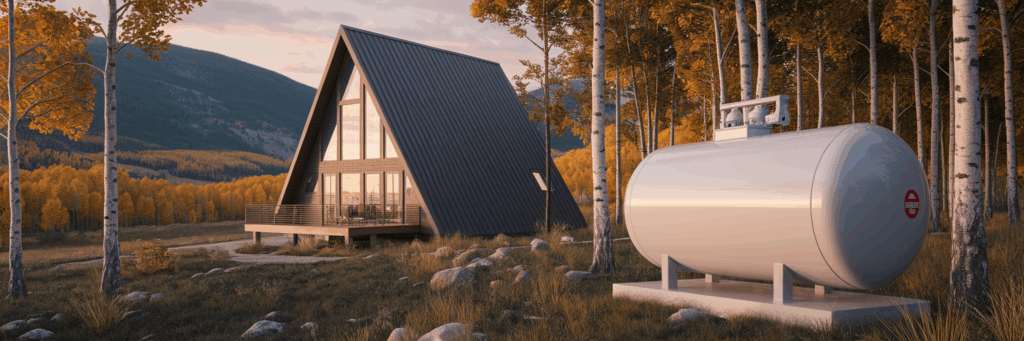
The Foundation of Seasonal Propane Safety
In many regions known for harsh winters, particularly across the Mountain West, propane is not just a convenience; it is the primary energy source for a vast number of seasonal homes. This reliance makes proper management essential for both safety and peace of mind. When your vacation property sits empty for weeks or months, you need confidence that its energy system is secure. Effective seasonal home propane management is not about complex technical skills but about following a clear, disciplined routine.
This guide provides a straightforward framework for protecting your investment. We will cover the essential shutdown protocols for when you leave, precautions for severe weather, and best practices for managing your fuel levels. Following these steps ensures your home away from home remains a source of relaxation, not a source of worry.
Preparing for Departure: A Shutdown and Return Protocol
The most critical safety measure for an unoccupied property is ensuring no propane can enter the home. An undetected leak in an empty house can create a serious hazard. That is why a formal shutdown and restart procedure is not just a suggestion; it is a fundamental practice for winterizing a propane tank at a vacation home. The process is simple for departure but requires professional help upon your return for good reason.
Before you leave for the season, follow these two steps:
- First, go to the large outdoor tank and turn the main service valve clockwise until it is fully closed. This stops the flow of propane at the source.
- Next, close the individual shutoff valves for every propane appliance inside your home, including the furnace, water heater, and stove. This provides a secondary barrier.
Upon your return, do not open any valves yourself. The system has been dormant, and its integrity must be verified. A qualified technician must perform a system leak check to ensure all lines and connections are secure after the long period of inactivity. Only after this professional verification should the system be repressurized. This disciplined approach is the industry standard for ensuring your system is safe and ready for use.
| Action Area | Before Departure (Shutdown) | Upon Return (Restart) |
|---|---|---|
| Main Tank Valve | Turn the service valve clockwise to the fully closed position. | Do not open. Wait for a professional technician. |
| Appliance Valves | Individually close the shutoff valves for all propane appliances (furnace, water heater, stove). | Keep all appliance valves closed until the system check is complete. |
| System Integrity | Ensures no propane can enter the home while it is unoccupied. | A professional leak check is required to confirm lines and connections are secure before repressurizing. |
| Professional Service | Not required for shutdown. | Mandatory. A qualified technician must perform a leak check and safely reopen the main valve. |
Proper Tank Placement and Year-Round Storage

Beyond the seasonal shutdown routine, the permanent placement of your propane tank is the foundation of its safety. Think of it like the foundation of your cabin; if it is not right, you will face persistent problems. Propane tanks are built to be durable, but they are not indestructible. They are designed to operate safely in temperatures from approximately -40°C to 50°C. In extreme cold, the pressure inside the tank can drop, potentially affecting appliance performance. In intense heat, the pressure rises, which is why fill limits are so important.
The question of how to safely store propane tanks begins with the ground up. Your tank must rest on a stable, elevated, and non-conductive surface, such as a concrete pad. Placing it directly on the ground invites moisture and soil contact, which leads to corrosion over time. This is one of those simple, one-time decisions that prevents major issues down the road. Additionally, the area around your tank must remain clear. Keep at least three metres of space free from flammable materials like firewood, dry leaves, or anything that could obstruct access for service or refuelling. This clear zone is a non-negotiable safety buffer.
Managing Weather-Related Hazards
With your tank properly placed, the next step is to actively manage the seasonal challenges that nature brings. Heavy snow and ice are significant threats. We have all seen how snow can slide off a roof in a heavy sheet; that same weight can damage regulators, fittings, and valves on your tank, leading to a potential leak. It can also block vents, causing appliances to malfunction.
Here are some essential propane tank safety tips for winter weather:
- Clear snow gently. Use a soft broom to brush away snow and ice from the tank, regulator, and piping.
- Never use a shovel. A metal shovel can easily strike the tank or its components, causing a dent or a more serious puncture.
- Keep snow blowers away. Avoid operating a snow blower near the tank to prevent accidental impact or damage.
Summer brings its own risks. Extreme heat causes the liquid propane to expand, increasing pressure inside the tank. This is why tanks are never filled to 100% capacity. Ensuring your tank has the proper headspace is a critical defence against pressure buildup on hot days.
Fuel Levels, Automatic Deliveries, and Fill Limits
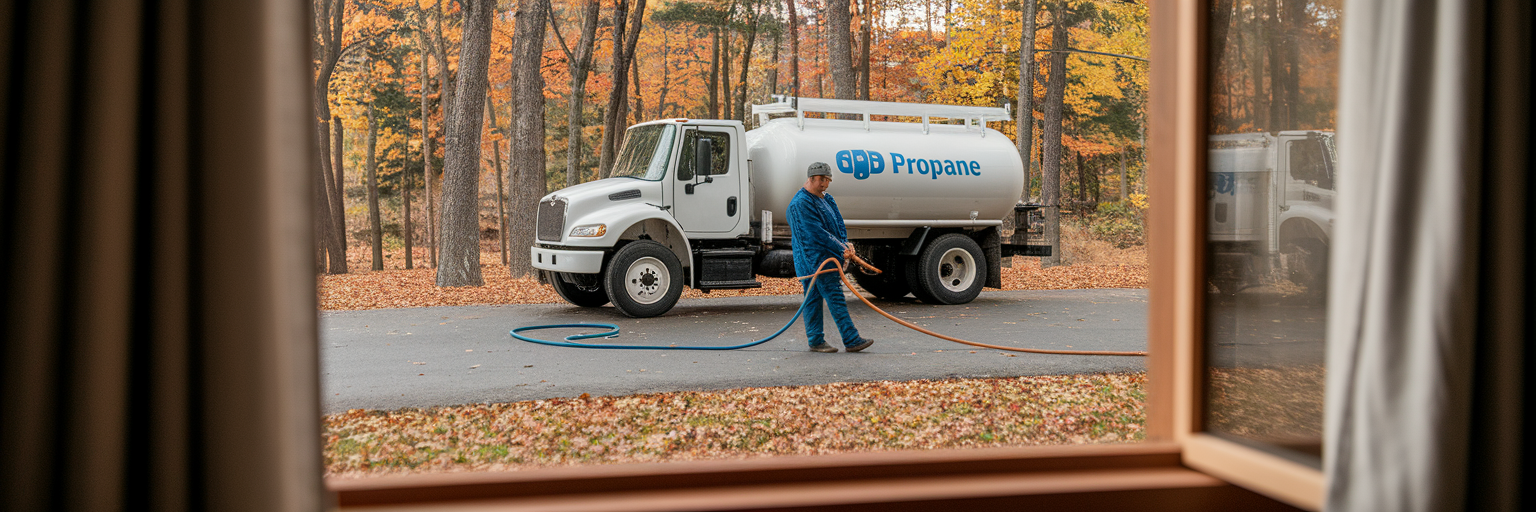
Managing your fuel supply is just as important as managing the physical tank. You have probably heard your propane supplier mention the “80% fill rule.” This is not an attempt to sell you less fuel; it is a critical safety standard. That remaining 20% of space in the tank is a buffer that allows the liquid propane to expand as temperatures rise. Without this space, pressure could build to dangerous levels. It is like leaving room in a water bottle before putting it in the freezer; the contents need space to change volume safely.
For a vacation property, running out of propane is more than an inconvenience. An empty tank allows air and moisture to enter, which can cause rust inside. Because of this, safety regulations require a professional leak check before the tank can be refilled, adding unexpected cost and delay to your trip. This is why automatic propane delivery for a second home has become a standard choice for many owners. With automatic delivery services, your supplier monitors your usage and weather patterns to schedule refills proactively. In periods of extreme heat, some suppliers may even adjust fills to 70% as an extra precaution against pressure buildup, demonstrating a commitment to safety over volume.
Simple Leak Checks and Portable Tank Guidelines
While professional service is mandatory for certain tasks, there are simple checks you can perform to contribute to your home’s safety. This hands-on vigilance is a key part of responsible propane tank maintenance for a cabin. If you ever suspect a leak, there are two reliable ways to check.
- First, you can use your nose. Propane is naturally odourless, so a chemical odorant with a distinct “rotten egg” smell is added to help detect leaks.
- If you smell something, you can confirm the location with a soap-and-water solution. Mix dish soap and water and apply it to connections and fittings with a sponge or brush. If you see bubbles forming, you have found the source of a leak. Immediately turn off the tank valve and call your supplier.
These same principles apply to the portable propane cylinders you use for your grill. When transporting them, always keep them upright and secured in a well-ventilated area. Federal regulations even specify limits, such as a maximum of four 20-pound cylinders in an enclosed vehicle. These personal checks and handling rules complete a comprehensive safety mindset.
Ensuring Peace of Mind at Your Home Away From Home
Your vacation home should be a place of rest, not a source of anxiety. By embracing a few straightforward practices, you can ensure your propane system remains safe and reliable year-round. Responsible management comes down to three core pillars: implementing a strict shutdown and professional restart protocol, maintaining the tank’s physical placement and condition, and ensuring a consistent fuel supply to avoid runouts. These proactive steps transform potential risks into predictable, manageable routines. Ultimately, this diligence protects your investment and guarantees your home away from home is always ready for your return.
About Jennifer Whitaker
Propane industry expert and content contributor for MyPropane.com.
View all posts by Jennifer Whitaker →Related Articles
Safe Use of Propane Grills and BBQs: Essential Safety Guide
Sep 17, 2025 • 9 min read
Learn essential propane grill safety tips, proper setup procedures, leak detection, and maintenance guidelines to keep your family safe while…
Ensuring Propane Tank Safety and Longevity
Oct 3, 2025 • 7 min read
Follow this comprehensive checklist to ensure your home's propane system remains safe, efficient, and reliable for years to come.