The Value of a Warm Welcome
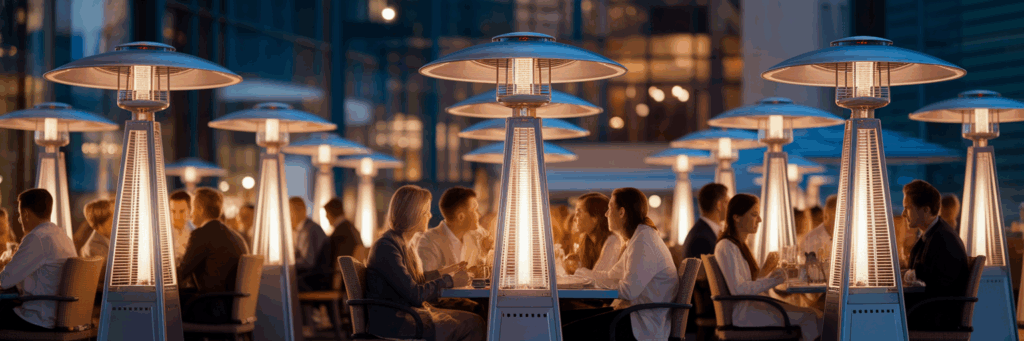
Outdoor patios and terraces are no longer just seasonal extras; they are year-round profit centres for the hospitality industry. The difference between a guest who stays for another round and one who asks for the bill early often comes down to comfort. A warm, inviting atmosphere directly influences customer behaviour, encouraging longer stays, higher spending, and loyalty during cooler months. This transforms heating from a simple operational cost into a real competitive advantage.
The central challenge, however, is balancing the substantial cost of propane with the need for consistent guest comfort. We have all seen heaters blasting into an empty space, burning fuel for no reason. Optimising your propane usage is not about cutting corners. It is about smart management built on four key pillars: strategic placement, rigorous safety protocols, equipment efficiency, and proactive supply management. Mastering these turns your propane from an expense into a strategic asset for your business, as essential as any other part of your commercial propane services.
Strategic Heater Placement for Optimal Heat and Safety
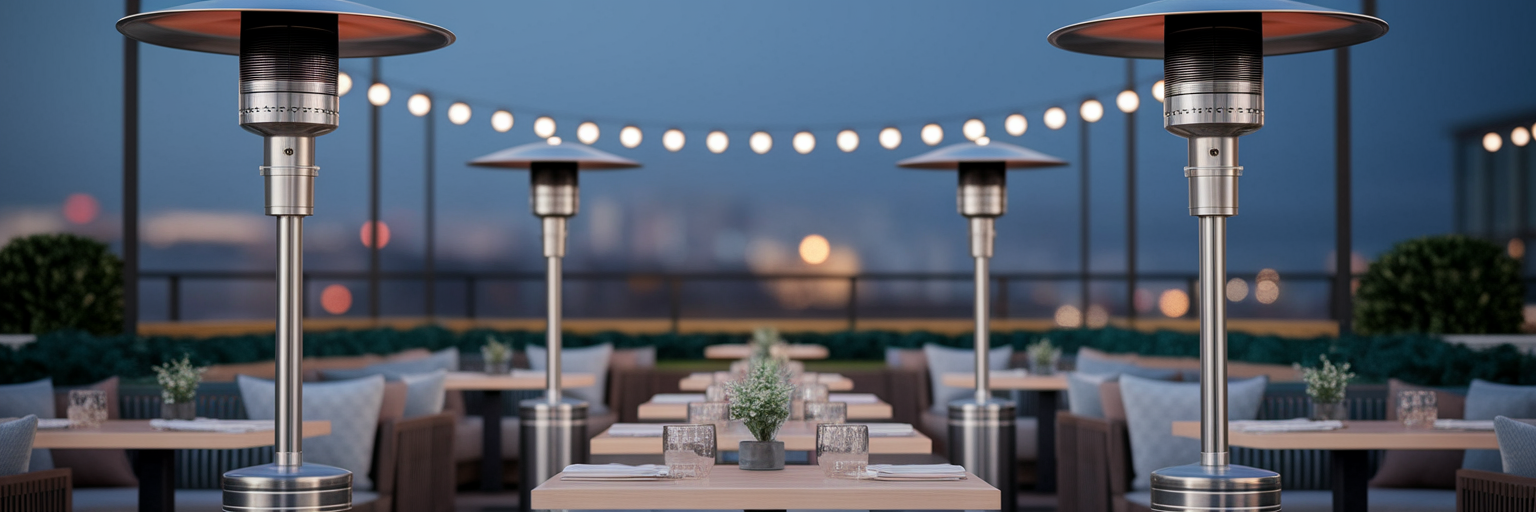
Where you place your commercial outdoor propane heaters has a bigger impact on your fuel bill and guest safety than almost any other factor. Simply scattering them across a patio is a common mistake that leads to cold spots and wasted energy. A more thoughtful approach treats your outdoor space like a stage, creating intentional zones of warmth where they matter most.
Mapping Your Heating Zones
Before you move a single heater, take a moment to observe your patio during a typical service. Where do guests naturally gather? Which tables are most popular? The goal is to create overlapping circles of warmth that cover these high-traffic areas, rather than trying to heat the entire space evenly. Think of it as creating cozy islands of comfort. This concentrated approach is far more efficient. The best placement for outdoor heaters often involves positioning them to radiate heat across multiple tables, maximising the benefit of each unit and reducing the total number of heaters needed.
Ensuring Stability and Clearance
Safety is not negotiable. Every heater must be placed on a completely flat, stable surface to eliminate any risk of tipping. A wobbly heater is a significant hazard. Equally important is maintaining proper clearance from combustible materials. When setting up your space, you must ensure heaters are a safe distance from:
- Fabric awnings and umbrellas
- Decorative hangings and banners
- Walls and wooden railings
- Nearby plants and foliage
Adhering to these guidelines is a fundamental part of fire code compliance and a professional responsibility. By prioritising these safety measures, you protect your guests, your staff, and your business. As a bonus, placing heaters in spots sheltered from wind not only improves their stability but also dramatically reduces propane consumption by preventing heat from being blown away.
Essential Safety Protocols for Daily Operations
Beyond the initial setup, daily operational checks are critical for maintaining a safe environment. These routines are not chores; they are professional habits that prevent accidents and build trust with your customers and staff. Integrating these outdoor heating safety tips for restaurants into your opening and closing procedures is a mark of a well-run establishment.
One of the most important daily checks is a leak test. It is simple and takes only a minute:
- Mix a small amount of dish soap with water in a spray bottle.
- With the propane tank open, spray the solution on the hose and all connection points.
- If you see bubbles forming, you have a leak. Immediately turn off the tank, tighten the connection, and test again. Do not use the heater until the bubbling stops.
Another critical consideration is carbon monoxide. While propane is a clean-burning fuel, all combustion requires adequate ventilation. A “well-ventilated” space in a commercial context means it is open on at least two sides, allowing for a constant flow of fresh air. Never operate a propane heater in a fully enclosed tent or room. Finally, ensure your team knows the location of your emergency equipment. A Class B fire extinguisher, designed for flammable liquid and gas fires, should be easily accessible, along with functional carbon monoxide detectors in areas bordering the patio.
Boosting Fuel Efficiency with Modern Equipment and Maintenance
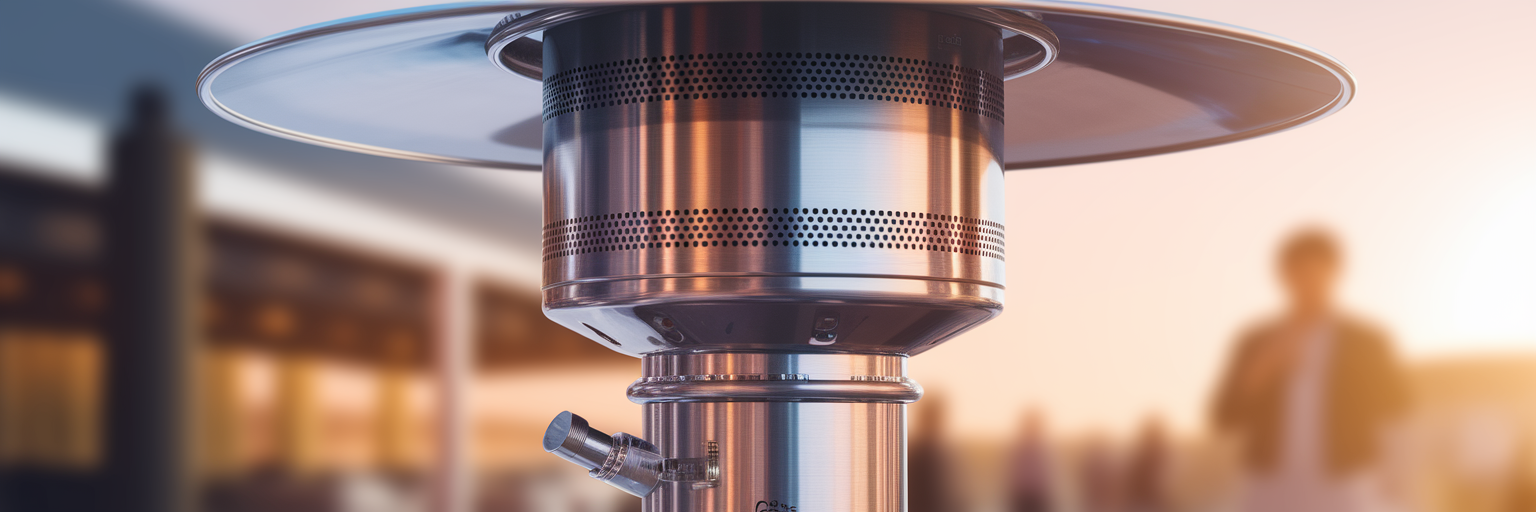
The type of heater you use directly affects your bottom line. Older models with manual pilot lights are like a constantly dripping faucet; that small, always-on flame wastes a surprising amount of propane over a season. Modern heaters with electronic push-button igniters consume zero fuel when not actively heating, offering an immediate saving.
When considering new equipment, look for the thermal efficiency rating. This tells you how much of the fuel is converted into usable heat. Investing in efficient commercial patio heating means more warmth for your guests per dollar spent. While the upfront cost for modern equipment may be higher, the return on investment through long-term fuel savings is clear. Regular upkeep is also essential. A simple propane heater maintenance checklist can extend the life of your equipment and keep it running efficiently. Key tasks include:
- Cleaning burners and pilot tubes to ensure a clean, strong flame.
- Inspecting hoses for any signs of cracking or wear.
- Checking that all fittings are secure to prevent slow leaks.
- Wiping down reflectors to maximise heat projection.
| Feature | Traditional Heaters | Modern High-Efficiency Heaters |
|---|---|---|
| Ignition System | Manual pilot light (always on) | Electronic push-button ignition |
| Typical Fuel Waste | Continuous propane drip for pilot | Zero fuel waste when off |
| Heat Conversion | Lower thermal efficiency | Higher thermal efficiency (up to 98%) |
| Long-Term Cost | Lower initial price, higher fuel bills | Higher initial price, lower fuel bills |
Note: This comparison highlights the typical trade-offs. Efficiency ratings and features can vary by model, but the general principle of long-term savings from modern technology holds true for commercial operations.
Smart Propane Storage and Supply Management
Optimising your propane usage extends to how you handle the fuel itself. We can all picture the chaos of a heater sputtering out on a busy Friday night. Proper storage and supply management prevent these disruptions and reduce waste.
Propane tanks must always be stored upright and outdoors in a secure, well-ventilated area. Keep them away from building entrances, ignition sources, and direct sunlight. This is not just a safety mandate; it also preserves the integrity of the fuel. For any extended period of non-use, it is wise to disconnect tanks from the heaters. This simple step prevents slow, costly leaks and adds an extra layer of safety.
To avoid unexpectedly running out of fuel, you need a proactive tracking system. This does not have to be complicated. Establishing a regular schedule for weighing your commercial propane cylinders can give you a clear idea of your consumption patterns. Some businesses also use non-specific remote monitoring technologies that send alerts when fuel levels are low. Knowing how to save propane on patio heaters starts with knowing how much you have and how quickly you use it. Diligent management eliminates last-minute emergencies and ensures you only pay for the fuel you actually use.
Building a Culture of Safety and Efficiency
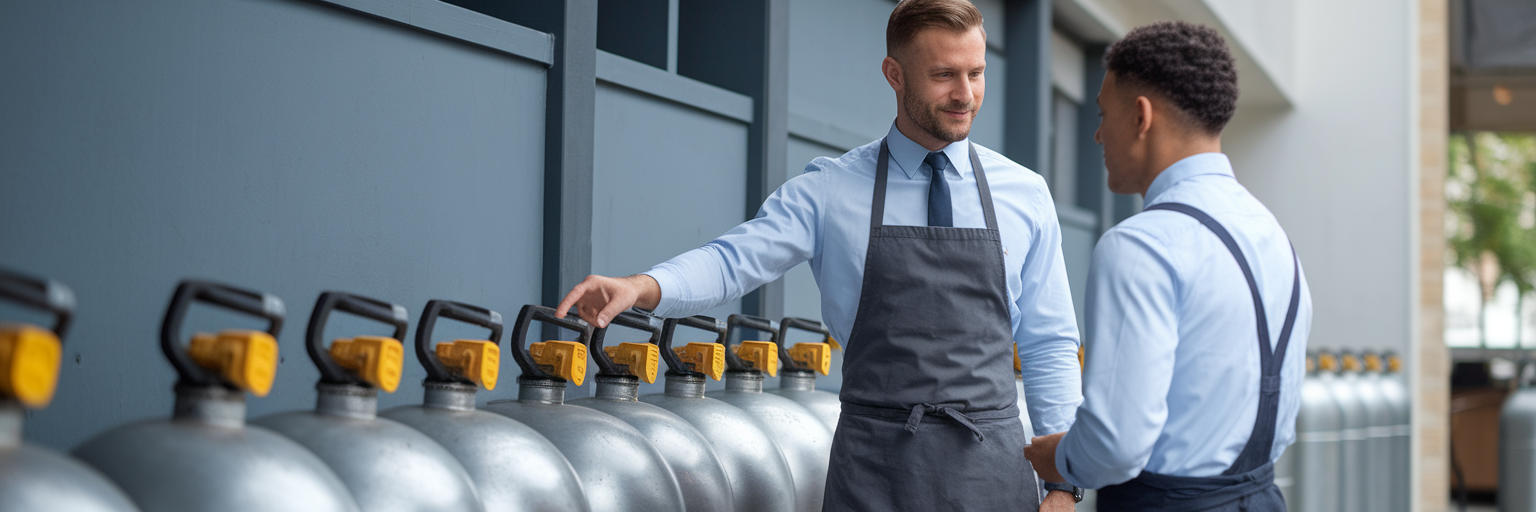
The best equipment and processes are only effective if your team is on board. A culture of safety and efficiency starts with proper training. Every staff member who interacts with the heaters should know the correct startup, shutdown, and tank replacement procedures. They should also know exactly what to do in an emergency.
Create a simple, visual Standard Operating Procedure (SOP) and post it in a staff area. A clear, one-page guide with pictures is far more effective than a dusty manual. Introduce a simple but powerful policy: turn off heaters in unoccupied patio sections. It is an easy win that reduces costs and reinforces a mindset of mindful energy use. Ultimately, optimising propane usage is not a one-time project but an ongoing commitment. It requires the right equipment, smart processes, and an empowered team dedicated to both guest comfort and operational excellence. To continue learning, explore more insights on our blog.
About Jennifer Whitaker
Propane industry expert and content contributor for MyPropane.com.
View all posts by Jennifer Whitaker →Related Articles

Effortless Propane Management for Your Seasonal Home
Dec 19, 2025 • 7 min read
Discover a complete strategy for monitoring fuel levels and ensuring safety at your vacation home, even when you're not there.
Propane Generators: Portable vs Standby Power Solutions
Sep 17, 2025 • 8 min read
Compare propane generators: portable vs standby systems. Learn about power output, fuel efficiency, installation requirements, and cost considerations for home…