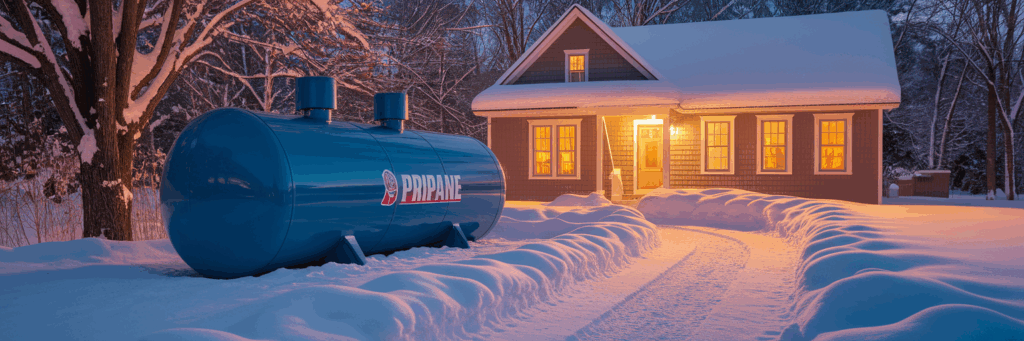
Every year, winter storms across the United States serve as a stark reminder of how vital a reliable heating source is for a home’s safety and comfort. For millions of households, that reliability starts with a well-maintained propane system.
Why Winter Weather Puts Your Propane System to the Test
The relationship between cold weather and propane is a matter of simple physics. Think about how a car tire loses pressure on a frigid morning. Your propane tank experiences a similar effect. Propane is stored as a liquid and must convert to a gas, a process called vaporization, to fuel your furnace and appliances. As temperatures plummet, this process slows down dramatically.
When it gets extremely cold, you can experience propane tank low pressure cold conditions, where the system cannot produce enough gas pressure to operate your appliances correctly. This can lead to intermittent furnace cycling or a complete shutdown, just when you need heat the most. The consequences of running out of fuel during a blizzard are more than just an inconvenience. It means an immediate loss of heat, putting your home at risk for frozen and burst pipes, which can cause thousands of dollars in water damage. It also creates the logistical challenge of getting an emergency refill on hazardous roads.
Winter preparation is not just another chore. It is a fundamental part of ensuring your family remains safe and warm through the harshest weather. You can find more helpful advice on our blog.
Pre-Season Inspection and Leak Detection
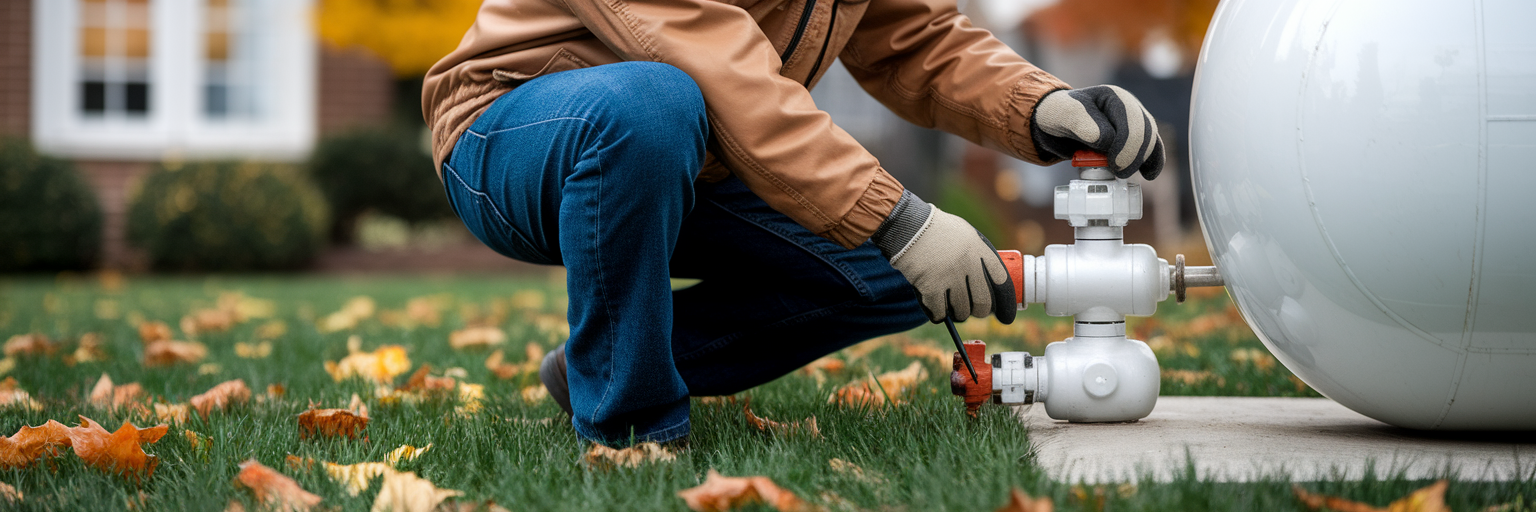
Before the first frost, a thorough safety check is your first line of defense. This starts with checking propane tank for leaks. Propane itself is odorless, so suppliers add a chemical called mercaptan to give it a distinct “rotten egg” smell for easy detection. If you ever smell this, you must act immediately.
Follow these steps without exception:
- Immediately put out any open flames, and do not use any electronics, light switches, or phones. Any spark could be dangerous.
- Evacuate everyone from the house and the surrounding area right away.
- From a safe distance, far from the potential leak, call your propane provider’s emergency number.
You can also perform a simple visual inspection of your tank. Look for any signs of rust, significant dents, or corrosion, particularly around the valves and regulator. However, it is critical to understand that a visual check is not a substitute for a professional one. A certified technician uses specialized equipment to test for subtle leaks, verify correct pressure, and ensure all components meet strict safety codes.
This professional inspection is a small investment that provides significant peace of mind, confirming your system is ready for the demands of winter. For more information on best practices, review our comprehensive propane safety guidelines.
Effective Fuel Level Management for Winter
Managing your fuel supply is central to winter propane tank safety. The first step is knowing how to read your tank gauge. The numbers on the dial represent the percentage of propane in the tank, not the number of gallons. Since tanks are only filled to about 80% to allow for expansion, a “full” tank will read 80.
We strongly recommend following the “30% Rule.” You should call to schedule propane delivery for winter as soon as your gauge hits 30%. Why so early? This buffer is essential. It ensures you have enough fuel to maintain adequate pressure even if a cold snap hits, and it gives your supplier flexibility to deliver before a storm makes roads impassable. Waiting until your tank is nearly empty in winter is a risk not worth taking.
Homeowners typically choose between two types of delivery service. Understanding the difference helps you select the best fit for your household.
| Feature | Will-Call Delivery | Automatic Delivery |
|---|---|---|
| Responsibility | Homeowner monitors tank and schedules refills | Propane supplier monitors usage and schedules refills |
| Risk of Run-Out | Higher, if monitoring is forgotten | Very low, managed by supplier |
| Scheduling | Requires homeowner to call ahead | No action needed from homeowner |
| Best For | Users with unpredictable or low usage | Homeowners seeking convenience and peace of mind |
Note: This table outlines the primary differences in service models. Automatic delivery calculations are based on historical usage and weather data to predict refill needs.
While will-call offers control, automatic delivery is the worry-free option for most families, virtually eliminating the chance of running out. Whichever you choose, remember that safe access to the tank is your responsibility. For homeowners looking into delivery options, exploring residential services can provide more specific information.
Keeping Your Tank Accessible and Protected
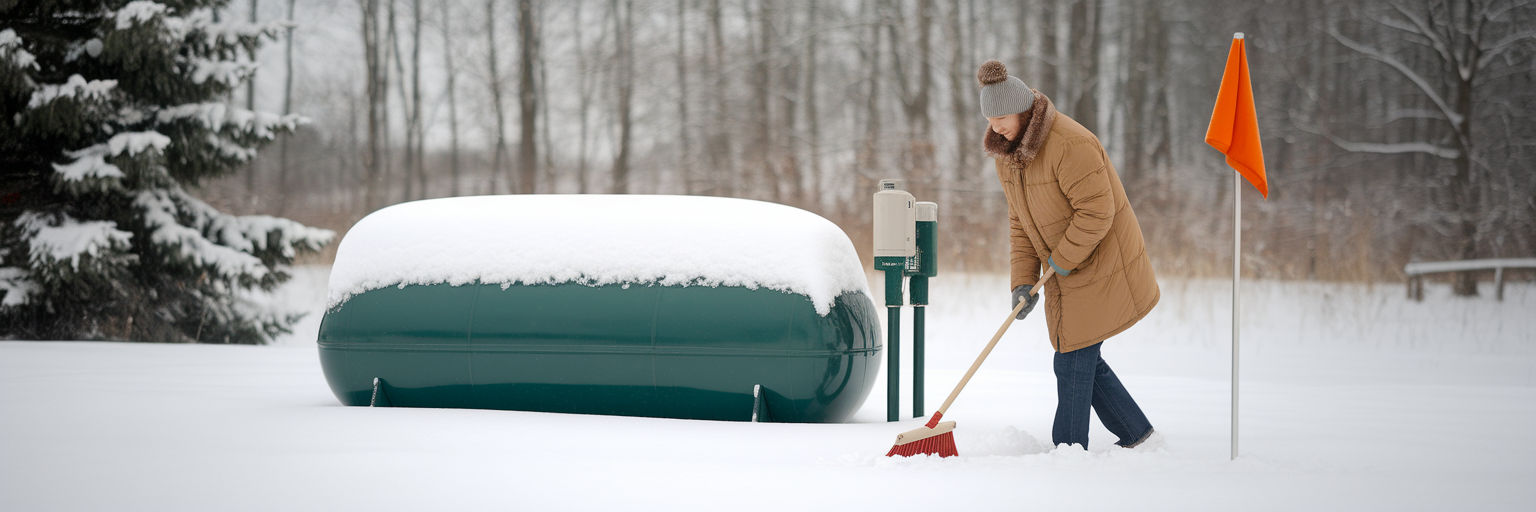
Part of how to prepare propane tank for winter involves maintaining the area around it. A delivery driver needs a clear, wide path to your tank. They handle heavy hoses and equipment, and navigating icy, snow-covered ground is a serious safety hazard. If they cannot reach your tank safely, they cannot make a delivery.
Follow these simple rules for managing snow and ice around your system:
- DO use a soft broom to gently sweep away snow from the tank, regulator, valves, and lines.
- DO clear a path at least one foot wide from the driveway to the tank.
- DON’T ever use a shovel or ice pick to clear ice. A sharp impact could damage the tank or its components.
- DON’T kick or hit the tank to break ice free.
In regions that get heavy snowfall, like the Northeast or Midwest, it is a great idea to mark your tank’s location with a tall, brightly colored pole or flag before the first storm. This helps delivery drivers and snowplow operators see it clearly. Finally, resist the urge to cover your tank. A common myth is that wrapping a tank will keep propane tank from freezing, but this is false and dangerous. A cover traps moisture, which accelerates rust, and can block the pressure relief valve from functioning correctly. If you need to find a local service provider, you can search for propane near me.
Building a Winter Storm Emergency Plan
Even with perfect preparation, winter storms can be unpredictable. A simple emergency plan ensures everyone in your home knows what to do if the power goes out or the furnace fails. First, make sure all adults know where the main gas supply shutoff valve is on the tank and how to close it.
During an outage, never use outdoor propane appliances like barbecue grills or portable heaters indoors. They are not designed for indoor use and can release deadly, odorless carbon monoxide gas. Instead, rely on safe alternatives and a well-stocked emergency kit.
Your kit should include:
- Blankets and extra layers of warm clothing
- Flashlights with fresh batteries
- A battery-powered or hand-crank radio
- Your propane supplier’s 24/7 emergency contact number stored in your phone and written down. You can find this on our contact page.
A few minutes spent creating this plan can provide tremendous calm and security. It ensures your family can handle a severe winter storm safely and confidently, knowing you are prepared for whatever the weather brings.
About Jennifer Whitaker
Propane industry expert and content contributor for MyPropane.com.
View all posts by Jennifer Whitaker →Related Articles

Storing Propane Safely Through Extreme Weather
Jan 7, 2026 • 6 min read
Follow key safety measures to properly maintain your propane supply through harsh weather conditions.
Smart Propane Monitoring for Your Seasonal Property
Jan 3, 2026 • 7 min read
This guide explains how modern technology helps protect your vacation property by ensuring a reliable fuel supply.