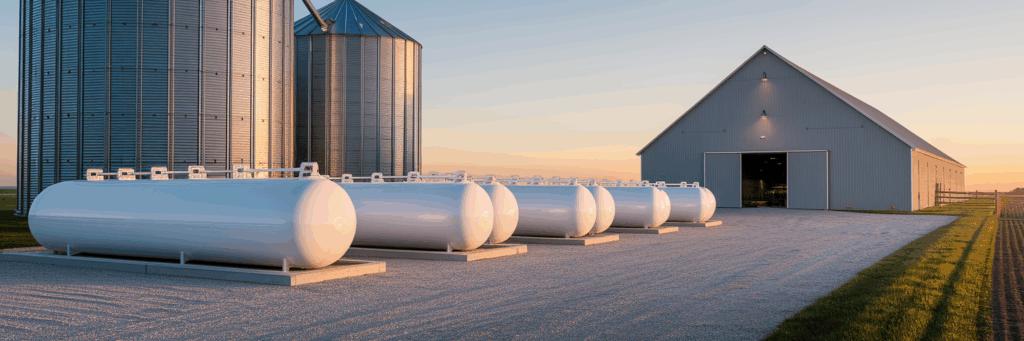
The Backbone of Agricultural Operations
With nearly 80% of farms in the United States relying on it, propane is far more than just another fuel source. It is a strategic asset woven into the fabric of modern agriculture. During a wet harvest, propane-fueled crop dryers are the difference between a profitable yield and a devastating loss. In the dead of winter, they provide the consistent, reliable heat needed to protect livestock and poultry. Out in the fields, propane powers irrigation engines that keep crops alive, often in locations where the electrical grid simply cannot reach.
This dependency means that any interruption in supply is not a minor inconvenience. It is a direct threat to operational continuity and revenue. For farms running multiple tanks to support these diverse applications, a casual approach to fuel management is a significant risk. Effective agricultural propane tank management is not about just refilling tanks when they run low. It requires a formal, systematic approach to ensure safety, compliance, and unwavering reliability when it matters most.
Safe Dispensing and Fuel Transfer Protocols

The moment fuel begins to move from a storage tank to a smaller container is one of the highest-risk activities on the farm. The single most important safety component in this process is a properly trained operator. This training goes beyond just knowing how to connect a hose. It means understanding that propane is heavier than air and will pool in low-lying areas, recognizing the function of every valve and gauge, and knowing exactly how to perform an emergency shutdown.
Before any transfer begins, a physical inspection is mandatory. A simple checklist can prevent a catastrophic failure:
- Inspect all hoses for cracks, blisters, or soft spots that signal degradation.
- Ensure nozzles form a tight, secure connection to prevent leaks during transfer.
- Verify that all safety and warning decals on the dispensing equipment are present and legible.
Once the equipment is cleared, inspect the receiving tank for damage or an expired certification date before making a connection. A critical aspect of propane safety on the farm is avoiding overfilling. This is managed by using the fixed liquid level gauge, often called a bleeder valve. The transfer must be stopped immediately once this gauge emits a steady white mist, which indicates the tank has reached its maximum safe fill level of about 80%. A comprehensive understanding of all safety measures is non-negotiable, and you can review further details on best practices with the established safety guidelines we provide.
Strategic Storage for Multi-Tank Systems
While safe fuel transfer involves active procedures, strategic storage is about the passive, yet critical, placement and protection of your tanks. The location of your propane tanks is not a matter of convenience. It is dictated by strict safety codes designed to protect people and property. When planning how to store propane tanks in a multi-tank system, several factors must be addressed.
- Clearance Distances: Tanks must be placed at specified distances from buildings, property lines, and potential ignition sources. This includes obvious hazards like welding areas but also less apparent ones like electrical panels or high-traffic paths for farm machinery.
- Stable Foundation: Placing tanks directly on the ground invites corrosion. A solid, level foundation, such as a concrete pad, prevents moisture damage and ensures the tank remains stable and upright.
- Physical Protection: The storage area should be secured with fencing or other barriers. This prevents accidental impact from tractors or other equipment and also deters tampering or vandalism.
Tanks must always be stored in an upright position. This is not a suggestion but a requirement rooted in physics. The pressure relief valve is designed to vent vapor, not liquid. If a tank is on its side, an over-pressure event could release a dangerous stream of liquid propane. Protecting tanks from prolonged, direct sunlight can also help manage internal pressure. Farms have diverse needs, and a variety of our commercial propane cylinders are available to suit different operational requirements.
A Proactive Maintenance and Inspection Schedule
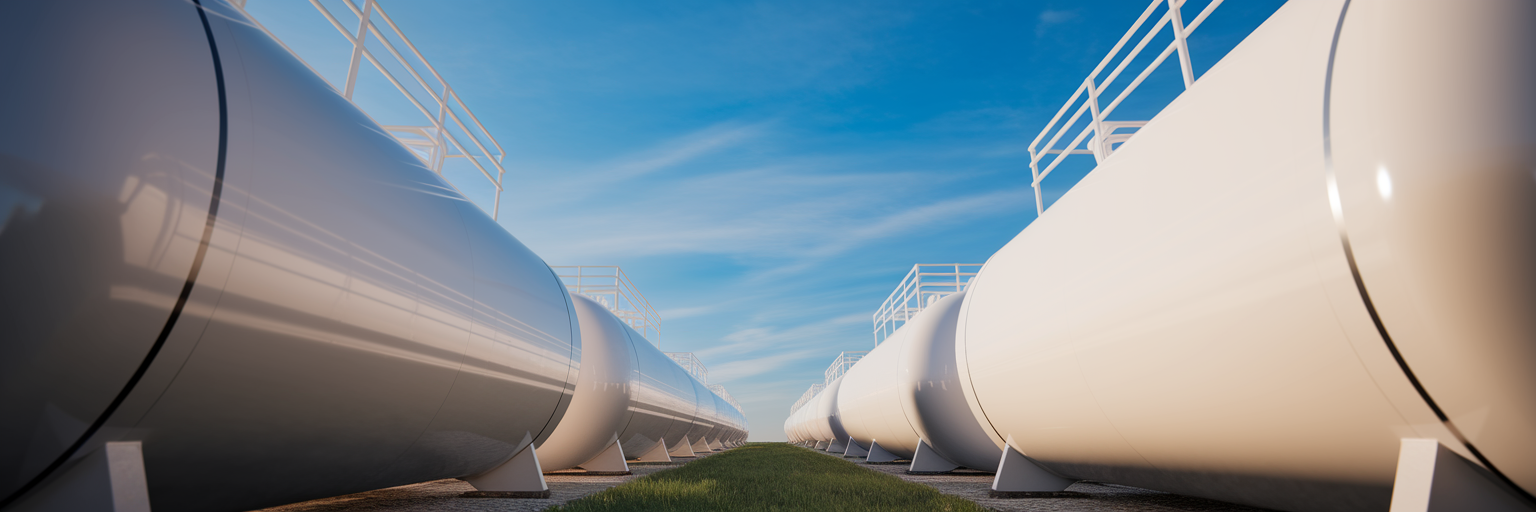
Effective farm propane system maintenance is built on a proactive schedule that distinguishes between routine staff checks and mandatory professional inspections. Daily visual scans are helpful, but a more structured routine is necessary to catch issues before they become serious problems. Farm personnel can and should conduct weekly and monthly checks to ensure the system remains in good working order. This consistent oversight helps maintain a culture of safety and prevents small issues from escalating.
Creating a clear, easy-to-follow guide is the best way to ensure these tasks are completed consistently. This framework helps organize maintenance activities and assign responsibility.
| Task | Frequency | Key Focus Area |
|---|---|---|
| Clear Area Around Tanks | Weekly | Remove weeds, debris, and any flammable materials within 10 feet of tanks. |
| Visual Tank Inspection | Monthly | Check for rust, dents, or damage to the tank body, legs, and data plate. |
| Valve and Gauge Check | Monthly | Ensure valve caps are in place. Check gauges for legibility and signs of damage. |
| Lubricate Valves | As per Manufacturer Specs | Apply specified lubricant to ensure smooth operation and prevent seizing. |
| Professional System Audit | Annually | A certified technician inspects regulators, relief valves, and piping for compliance and safety. |
Note: This table provides a general maintenance framework. Always consult your propane supplier and equipment manufacturer’s guidelines for specific requirements.
While your team handles routine checks, the role of an annual professional inspection is non-negotiable. A qualified propane technician must audit the entire system to test pressure relief valves, check for corrosion, and certify that all components meet safety standards. Maintaining the integrity of all system components is crucial, and you can find more information on the certified propane equipment we offer to ensure your system is up to code.
Understanding and Adhering to Safety Codes
The practical tips for handling and storing propane are not just best practices. They are rooted in a comprehensive legal framework. In the United States, the definitive industry standard is the NFPA 58, also known as the Liquefied Petroleum Gas Code. Compliance with this code is not optional. It is a legal requirement designed to protect your farm, your employees, and your assets from the inherent risks of handling pressurized fuel.
To make this tangible, consider the NFPA 58 agricultural requirements for tank placement. The code specifies exact minimum distances that large-capacity tanks must be from important buildings, public roadways, and property lines. These are not arbitrary numbers. They are calculated to provide a safe buffer in the event of a leak or fire. The code also governs the transport of propane on farm vehicles, mandating that tanks be secured in an upright position with adequate ventilation to prevent the buildup of flammable vapor.
Finally, the importance of documentation cannot be overstated. Keeping detailed records of your inspections, maintenance activities, and employee training sessions is essential. This paperwork demonstrates due diligence and is your first line of defense during a safety audit or in the unfortunate event of an incident.
From Safety Management to Operational Efficiency
A systematic approach to propane management does more than just check a safety box. It directly contributes to your farm’s bottom line. Proper maintenance and safe handling protocols prevent fuel loss from slow leaks, which can add up to significant costs over time. More importantly, they mitigate the risk of catastrophic accidents that lead to expensive equipment damage, operational shutdowns, and potential liability.
A well-managed propane system guarantees that you have the energy you need during your most critical periods. Whether it is for crop drying after an unexpected rain or for powering irrigation pumps during a dry spell, fuel reliability is central to maximizing yield. Effective propane management is not an operational expense. It is a strategic investment in your farm’s safety, efficiency, and resilience. Integrating these practices is a key part of a comprehensive commercial energy strategy that delivers tangible returns in both reliability and peace of mind.
About Jennifer Whitaker
Propane industry expert and content contributor for MyPropane.com.
View all posts by Jennifer Whitaker →