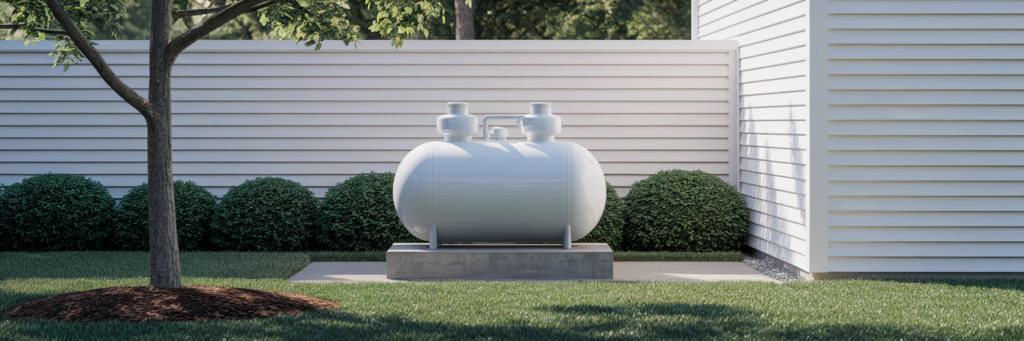
Understanding Propane in Extreme Temperatures
Here’s a surprising fact: propane’s freezing point is –306°F (–188°C), a temperature never naturally reached on Earth. This means your propane will never actually freeze. The real concern when storing propane tanks outside in winter is pressure. As temperatures approach –40°F (–40°C), the pressure inside the tank drops, which can reduce or even stop the flow of gas to your appliances just when you need them most.
Conversely, high heat presents a more immediate danger. At temperatures above 120°F (49°C), liquid propane expands, causing a rapid increase in internal pressure. This can trigger the tank’s safety relief valve to vent gas. Proper storage is about maintaining the tank within its ideal operational range, ensuring a consistent and safe supply regardless of the weather outside.
The Golden Rule of Propane Storage Location
When considering how to store propane tanks, there is one non-negotiable rule: they must always be stored outdoors. This isn’t just a recommendation, it’s a fundamental safety requirement. Propane vapor is heavier than air, so if a leak were to occur in an enclosed space, the gas would accumulate at a low level, creating a serious risk of fire or explosion.
To ensure complete propane tank storage safety, you must avoid these forbidden zones:
- Garages
- Basements
- Sheds
- Closets
- Inside any vehicle or living area
Your tank should be placed on level ground at least 10 feet away from your house and any potential ignition sources. This includes air conditioning units, direct window openings, and of course, any open flames. For a complete overview of safety protocols, you can find more details on our page about safety.
Ensuring Stability and Preventing Physical Damage
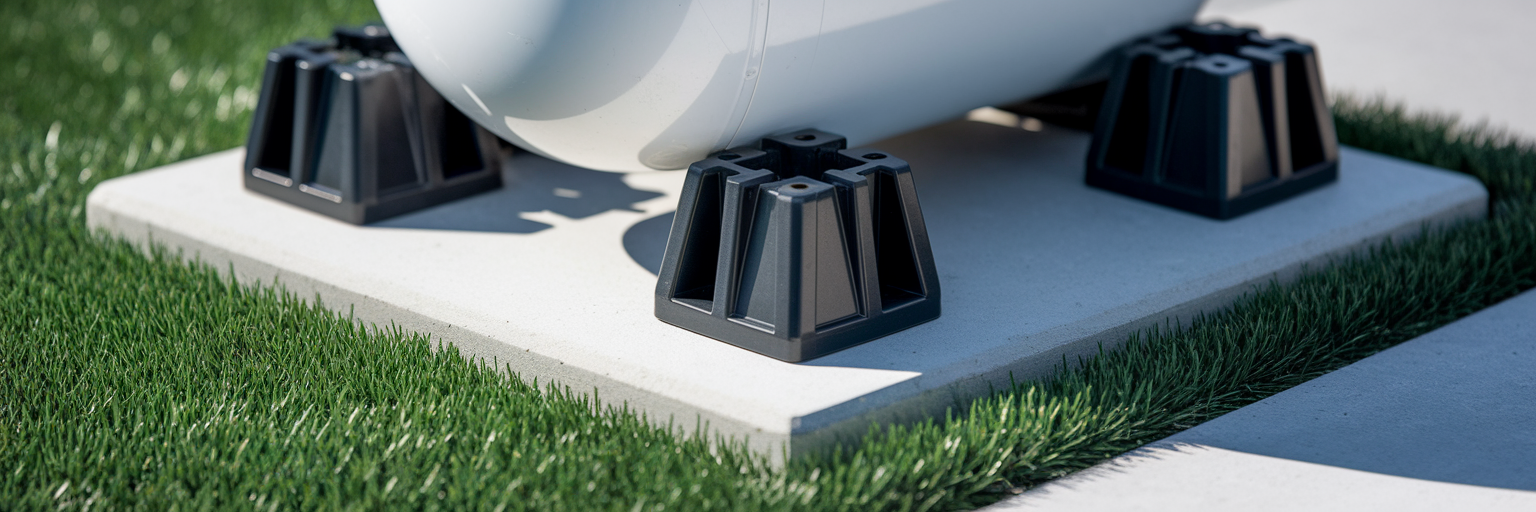
Beyond choosing the right location, the physical stability of your tank is critical. It must always be kept in an upright and level position. This orientation ensures the pressure relief valve, which is located in the vapor space at the top of the tank, functions as designed. If a tank is on its side, the valve could release highly flammable liquid propane instead of vapor, creating a far more dangerous situation.
To prevent tipping, place your tank on a solid, flat surface like a concrete slab or patio stone, never on soft ground. For added protection against high winds or accidental bumps, a commercial propane tank stabilizer is a simple and effective upgrade. It’s also important to avoid placing the tank in direct contact with soil. The moisture from the ground accelerates rust, which can compromise the tank’s structural integrity over time and lead to leaks.
The Battle Against Moisture and Corrosion
While a tipped tank is an immediate hazard, rust is the slow, silent threat to long term propane storage. Corrosion weakens the steel walls of the tank and can damage the valve assembly, eventually causing leaks. Effective propane tank corrosion prevention is a straightforward, two-part defense.
First, as mentioned, elevate the tank off damp ground. Second, protect it from rain and snow with a cover. However, it is crucial that you use a breathable, waterproof cover specifically designed for propane tanks. An airtight plastic tarp will trap condensation against the metal, which ironically speeds up the rusting process you’re trying to prevent. If you notice any scratches or chips in the paint, touching them up with a corrosion-resistant spray paint is a great proactive step to stop rust before it starts. For more maintenance ideas, our blog offers further tips and insights.
Managing High Heat and Direct Sun Exposure
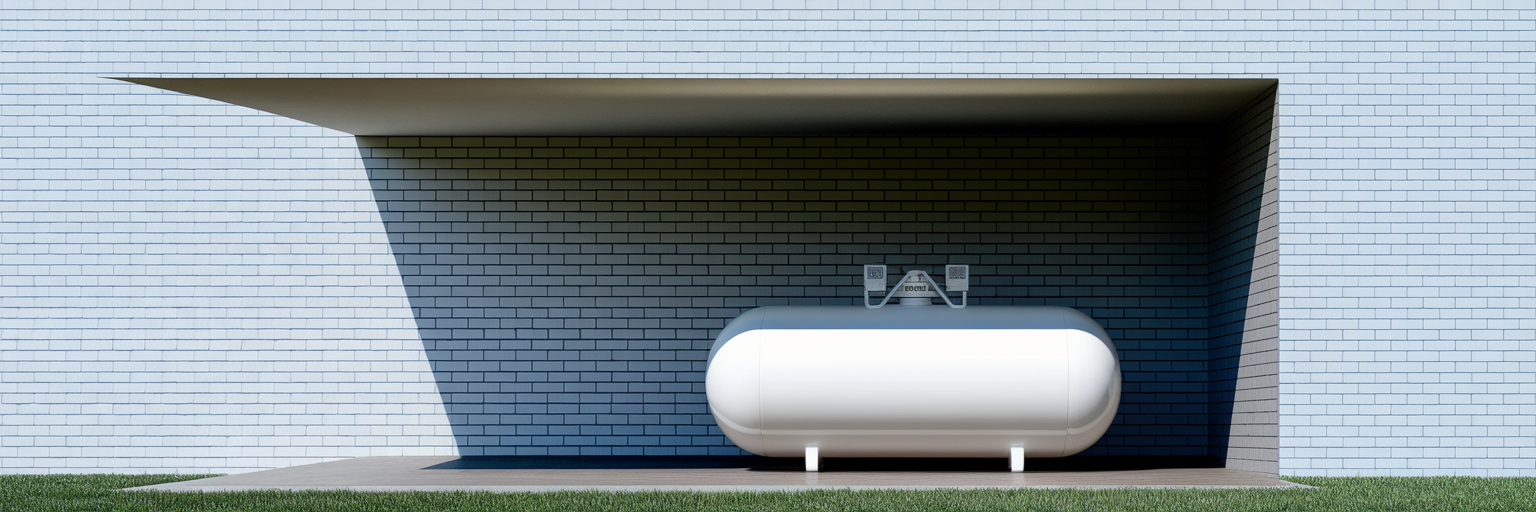
Just as cold affects pressure, so does intense heat. Direct sunlight, especially on a darker tank, can easily raise the internal temperature above the 120°F (49°C) safety threshold. This causes the liquid propane to expand and pressure to build, potentially forcing the pressure relief valve to open and vent flammable gas. While this mechanism prevents the tank from rupturing, it still releases hazardous vapor near your home.
The most effective strategy for propane tank safety in summer heat is passive shading. Storing the tank on the north side of your home, under a permanent awning, or behind lattice work that allows for airflow provides consistent protection. You should also never paint a tank a dark color. The standard white or light gray finish is chosen specifically to reflect sunlight and help keep the tank cool.
| Weather Condition | Primary Risk | Key Mitigation Strategy |
|---|---|---|
| Extreme Cold (approaching -40°F/-40°C) | Low tank pressure reducing gas flow | Keep tank at least half full; use a larger tank if possible. |
| Extreme Heat (above 120°F/49°C) | High pressure causing relief valve to vent | Store tank in a consistently shaded location. |
| Rain, Snow, or High Humidity | Moisture causing rust and corrosion | Elevate tank on a solid base and use a breathable cover. |
| High Winds | Tank tipping over, damaging valve | Place on a level surface and secure with a tank stabilizer. |
Note: This table summarizes the primary environmental risks associated with long term propane storage and the most effective, straightforward actions homeowners can take to mitigate them.
Performing Essential Pre-Season Leak Checks
A quick inspection before each high-use season is a non-negotiable part of responsible propane ownership. This simple check gives you peace of mind and confirms your system is ready for winter heating or summer grilling. You can easily perform a leak test yourself with a simple soap solution.
- Mix a 50/50 solution of dish soap and water in a spray bottle or small bowl.
- Apply the solution generously to the tank valve, regulator, and all hose connections.
- Slowly open the tank’s service valve and watch the connections closely for several seconds. The formation of bubbles indicates a leak.
If you see bubbles, immediately close the valve. Often, the leak is due to a loose connection. Try tightening it with a wrench, then re-open the valve and re-test. If the bubbles persist, close the valve again and do not use the tank. It will need to be serviced or replaced. This routine is a proven safety measure for all our residential users.
Guidelines for Safe Seasonal Transportation
Whether you’re taking a small cylinder for a refill or moving a larger tank, all safety rules apply during transit. The tank must remain secured in an upright position at all times. You can use a seatbelt in the passenger seat or bungee cords in an open truck bed to keep it stable.
Most importantly, never transport a propane tank in an enclosed space like a car trunk or the back of an SUV. On a warm day, the temperature inside a vehicle can rise quickly, causing the pressure relief valve to vent. In an enclosed space, this can rapidly fill the area with explosive vapor. Before you leave, double-check that the service valve is fully closed and install a plastic dust cap or plug over the valve outlet if you have one. If you have any questions about these guidelines, please do not hesitate to contact us.
About Jennifer Whitaker
Propane industry expert and content contributor for MyPropane.com.
View all posts by Jennifer Whitaker →Related Articles
7 Essential Propane Troubleshooting Steps for Homeowners
Oct 8, 2025 • 7 min read
Follow these essential steps to safely troubleshoot your residential propane system and keep your home running efficiently.
When Does Your Propane Tank Need Immediate Attention
Oct 20, 2025 • 7 min read
Discover the critical indicators, from strange smells to performance issues, that signal your propane system requires professional attention.